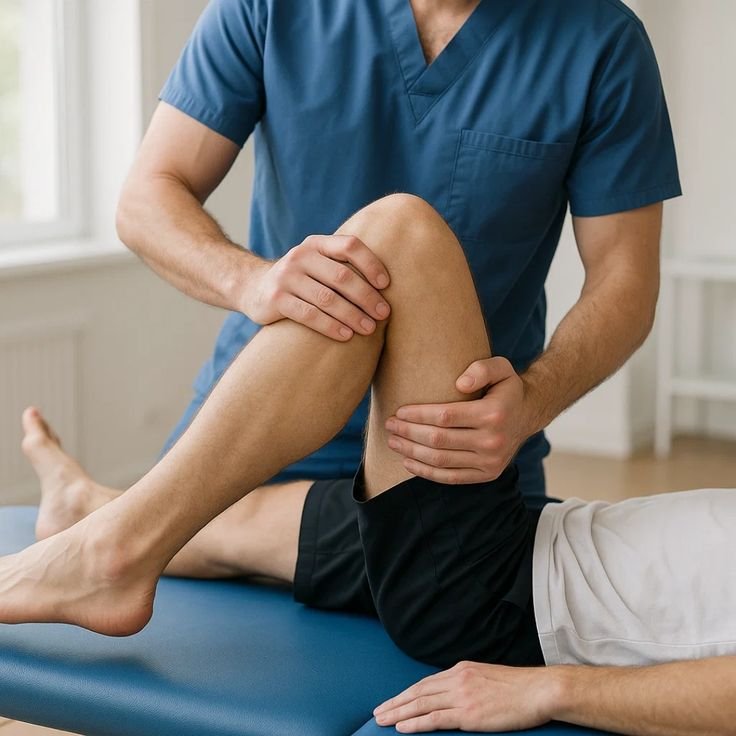
Can Massage Help with Injuries? A Guide to Safe and Effective Massage Therapy
Introduction
Massage therapy is a popular way to relax and relieve stress, but did you know it can also play a role in managing certain injuries? While not a cure-all, massage can aid recovery by improving circulation, reducing muscle tension, and promoting healing. However, it’s crucial to consult a healthcare professional before starting any massage for an injury, as improper techniques could worsen conditions. In this blog, we’ll explore which types of injuries massage can benefit, the best practices, and when to avoid it. Remember, this is general advice—always seek personalized medical guidance.
Types of Injuries Where Massage Can Be Beneficial
Massage is often recommended for soft tissue injuries that involve muscles, tendons, and ligaments. Here’s a breakdown of common injuries where it can help, along with suitable massage types:
- Muscle Strains and Sprains: These occur from overstretching or tearing muscles/ligaments. Massage (like Swedish or deep tissue) can reduce swelling, improve flexibility, and alleviate pain by increasing blood flow.
- Example: A hamstring strain from running can benefit from gentle kneading to release tension.
- Sports-Related Injuries: Athletes often deal with overuse injuries like tendonitis or shin splints. Targeted massage helps break up scar tissue and enhance recovery.
- Example: For tennis elbow, forearm massage can relieve tightness in the affected area.
- Back and Neck Injuries: Chronic issues like lower back strain or whiplash from accidents. Massage promotes relaxation and better posture.
- Example: Deep tissue massage for sciatica can ease nerve compression symptoms.
- Post-Surgical Recovery: After procedures like joint surgery, light massage (once cleared by a doctor) aids in reducing scar tissue and improving mobility.
- Example: Gentle lymphatic drainage for post-knee surgery swelling.
- Repetitive Strain Injuries (RSI): From desk jobs or hobbies, like carpal tunnel. Massage improves circulation to sore areas.
- Example: Hand and wrist massage for RSI in office workers.
Massage Techniques Suitable for Injuries
Not all massages are equal—choose based on the injury’s severity and your therapist’s expertise:
- Swedish Massage: Light and relaxing, ideal for mild strains to promote overall relaxation.
- Deep Tissue Massage: Targets deeper layers for chronic pain or tight muscles, but avoid if inflammation is high.
- Sports Massage: Combines stretching and pressure for athletes recovering from injuries.
- Trigger Point Therapy: Focuses on “knots” to release tension in specific areas.
When to Avoid Massage for Injuries
Massage isn’t suitable for all injuries and can be harmful if done incorrectly. Steer clear in these cases:
- Acute Injuries: Fresh sprains, fractures, or bruises—massage could increase swelling or damage. Wait 48-72 hours or until pain subsides.
- Infections or Open Wounds: Avoid contact to prevent spreading bacteria.
- Severe Conditions: Like herniated discs, deep vein thrombosis, or uncontrolled diabetes—consult a doctor first.
- Pregnancy-Related Issues: Unless approved by an obstetrician.
Best Practices for Injury Massage
To maximize benefits and minimize risks:
- Consult Professionals: Work with a licensed massage therapist or physical therapist experienced in injury recovery.
- Timing Matters: Start with light sessions and gradually increase intensity as healing progresses.
- Combine with Other Therapies: Pair massage with ice/heat, stretching, or physical therapy for better results.
- Listen to Your Body: Stop if you feel sharp pain—mild discomfort is normal, but not agony.
- Frequency: 1-2 sessions per week, depending on the injury.
Conclusion
Massage can be a valuable tool in the recovery toolkit for many injuries, offering relief and faster healing when done right. Whether you’re dealing with a sports injury or everyday strain, it promotes wellness without invasive methods. At Shaakya Salon & Spa in Bangalore, our trained therapists specialize in therapeutic massages tailored to your needs—book a consultation today to experience luxury and healing. Always prioritize safety; if in doubt, see a doctor. What injuries have you tried massage for? Share in the comments!
Disclaimer: This blog is for informational purposes only and not medical advice. Consult a healthcare provider before starting any treatment.